Card ranks are a way of grouping specific cards across different suits in the hanafuda deck. If the 12 suits in a hanafuda deck are analogous to the 13 values in a Western deck, the 4 hanafuda card ranks can be said to be analogous to the Western deck’s 4 suits. However, each card rank contains a different number of cards and is distributed differently across the suits.
In almost all fishing games, cards of a given rank are more likely to form yaku with one another.
¶ Standard ranks
There are generally considered to be 4 distinct card ranks for the purpose of most hanafuda games. The way to which these are referred varies widely, but their groupings tend to be the same, with occasional exceptions. They are often referred to by their values in the game of Hachi-Hachi, especially in Japanese.
¶ Brights[1]
These cards are usually the most important cards in games, with the highest value. For instance, in Hachi-Hachi, they are each worth 20 points.
Also known as Lights[2] or 20-point cards.[3]
Japanese: 光札 [hikari-fuda, ‘light cards’], 20点札 [nijutten-fuda, ‘20-point cards’]
Korean: 광 [光, gwang, ‘light’]
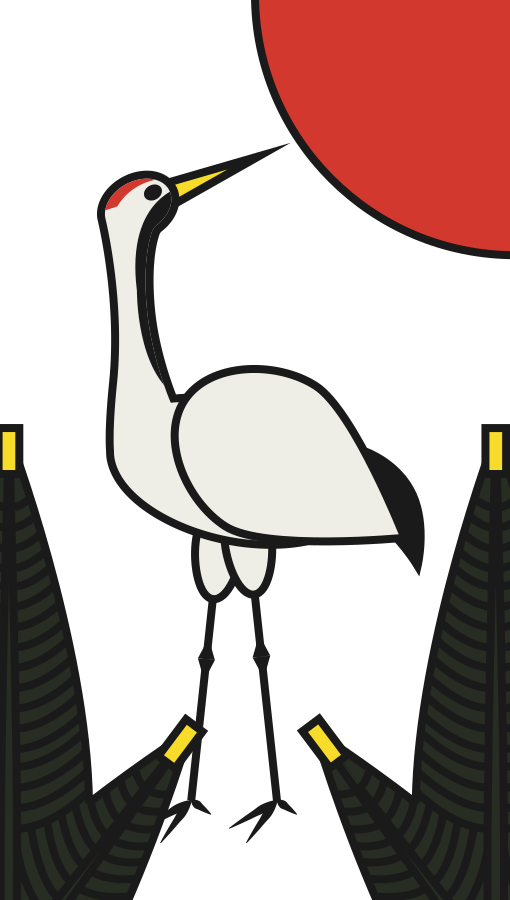 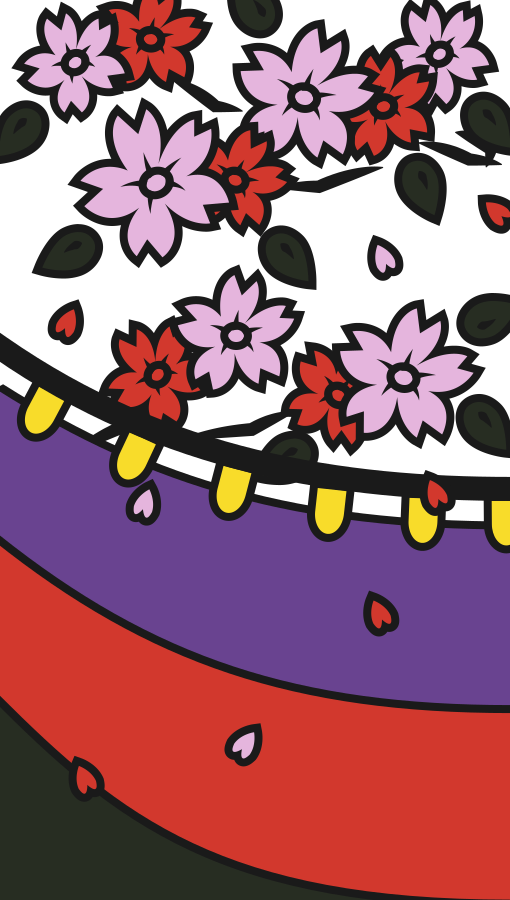  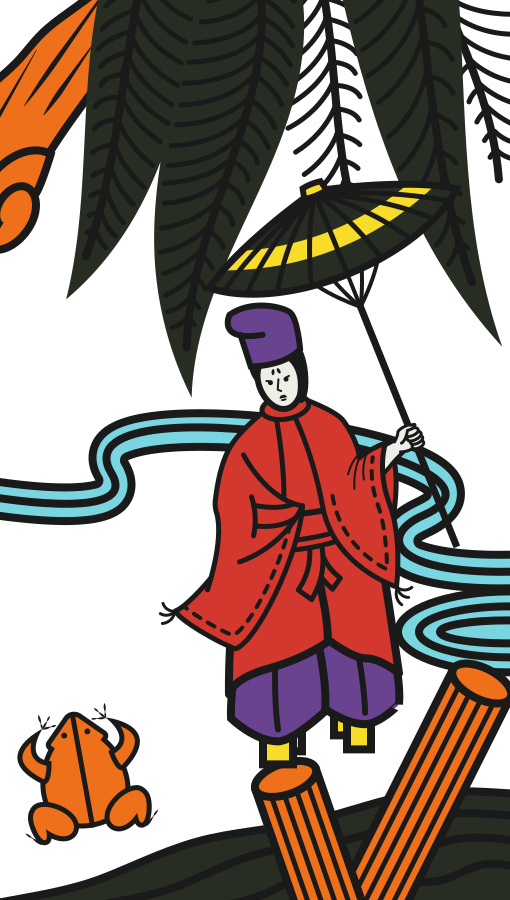 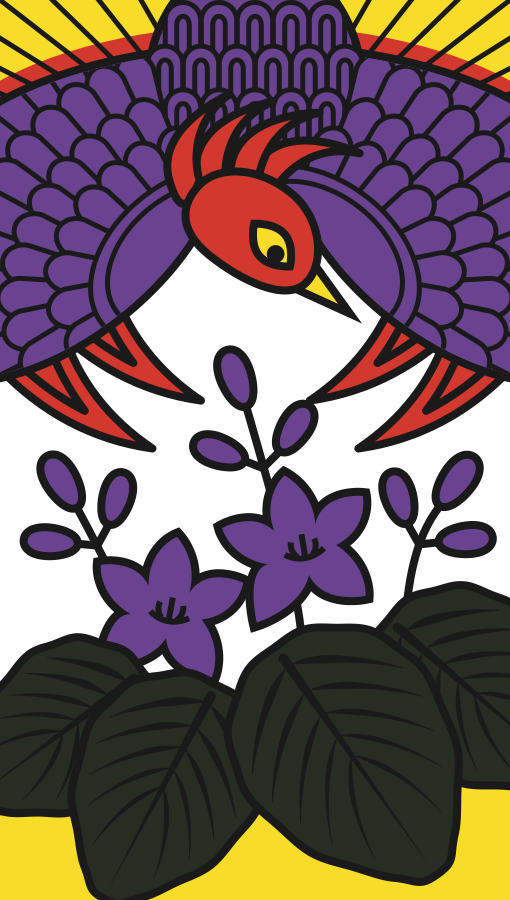 |
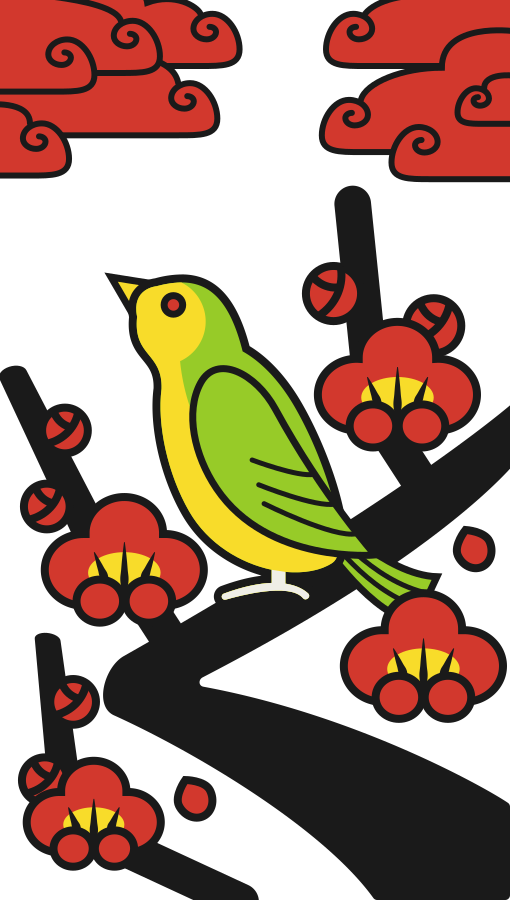
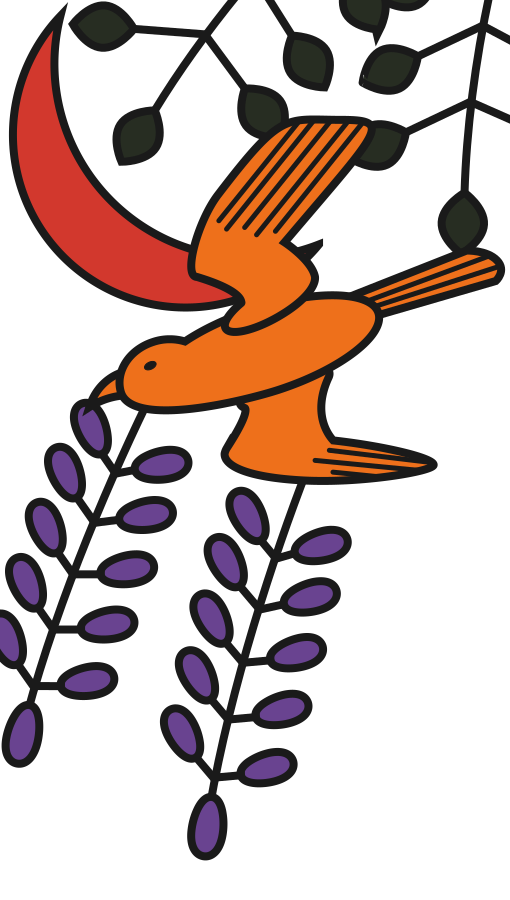
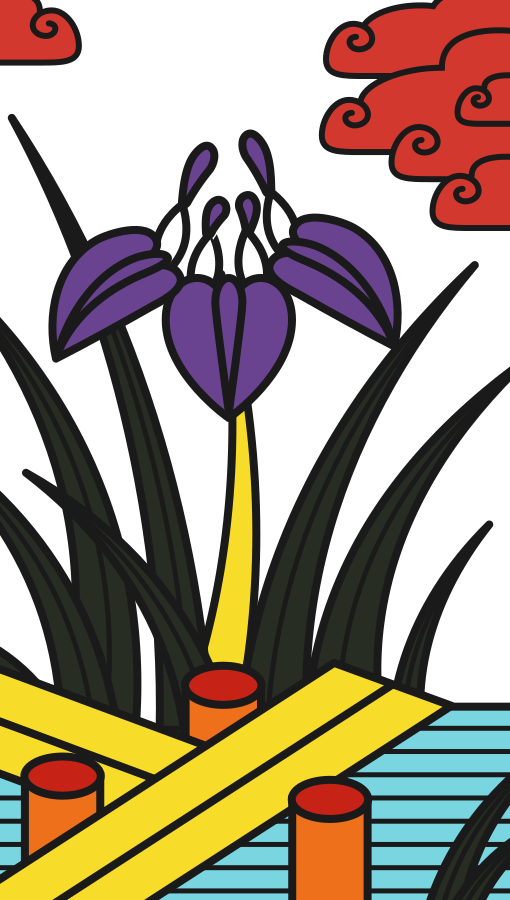
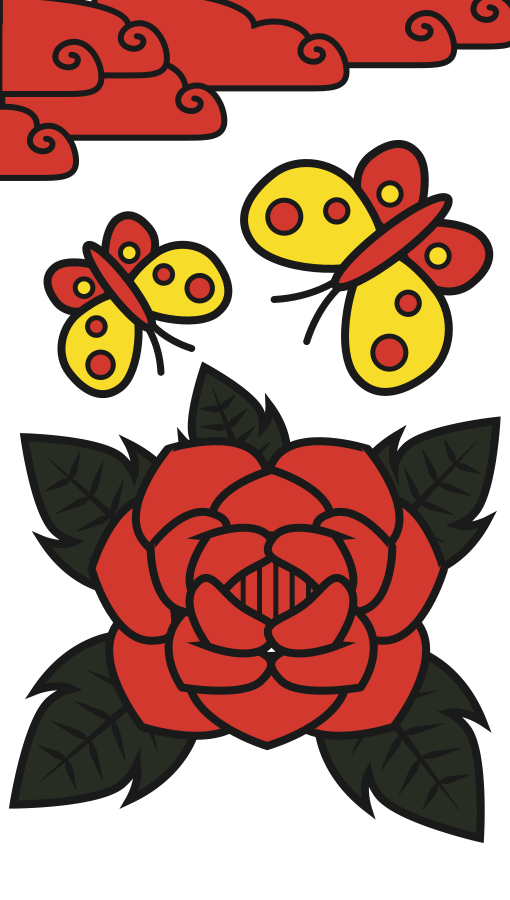
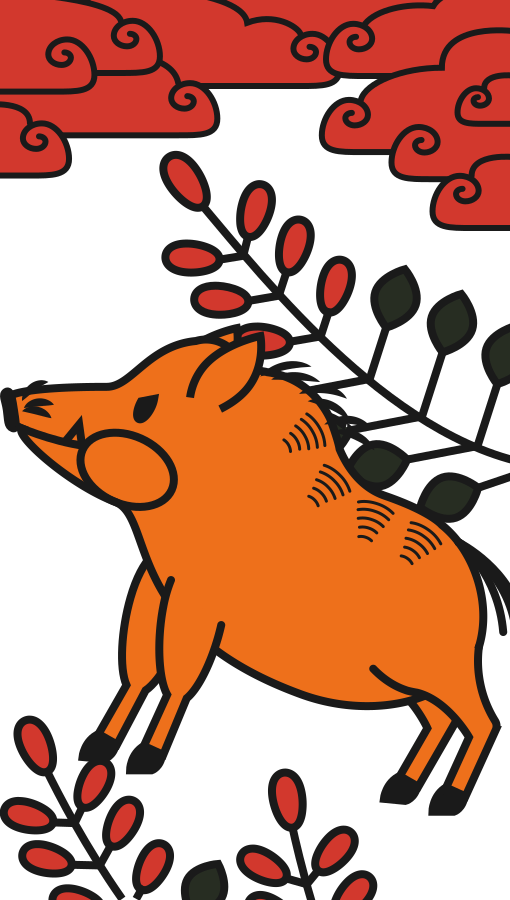
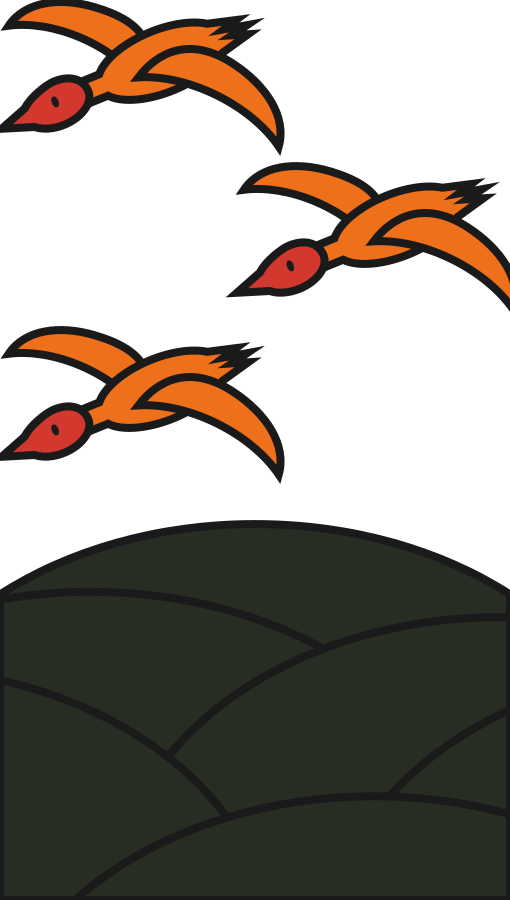
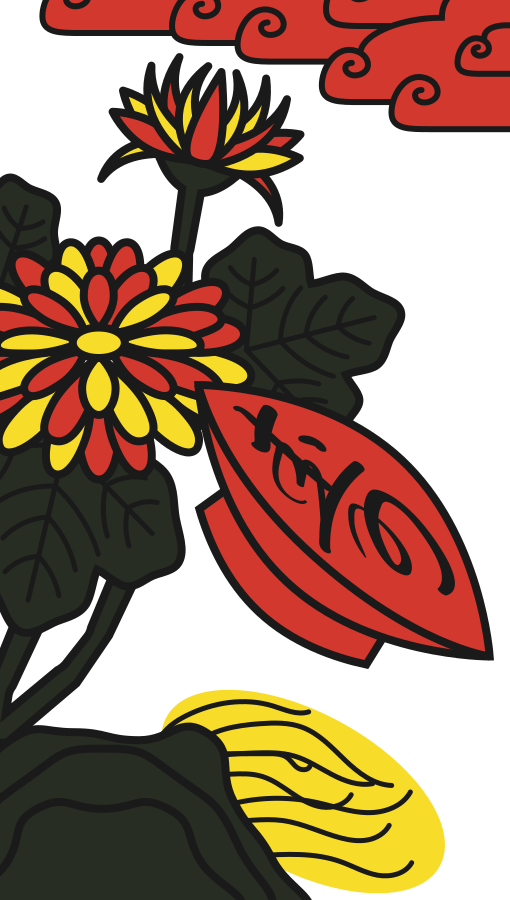
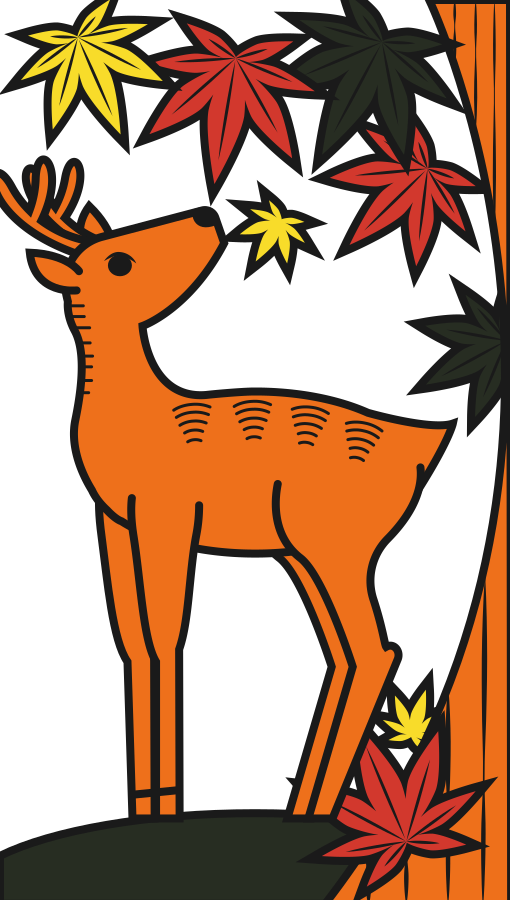
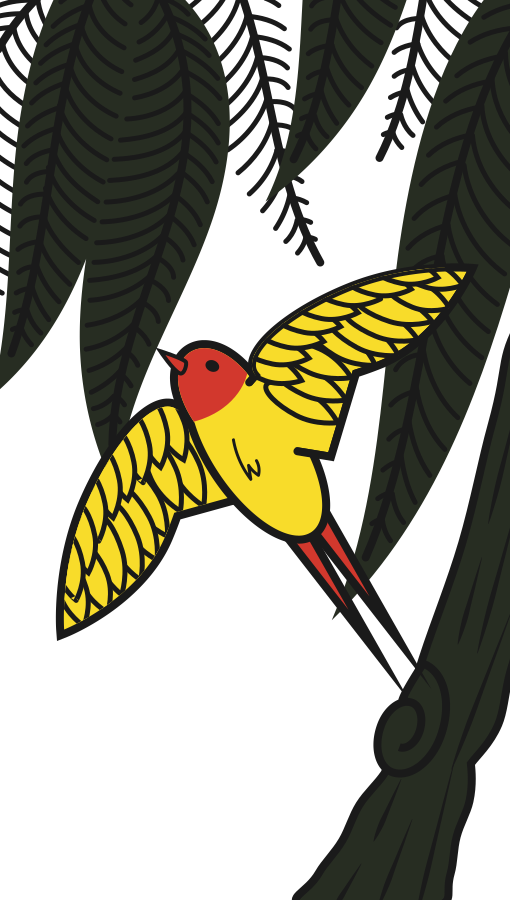
¶ Animals[4]
These cards are often the second most important cards in games, with the second highest value. In Hachi-Hachi, they are each worth 10 points.
Also known as Seeds,[5] Tens,[6] Variety,[7] Earth cards[8], or 10-point cards[9]
Japanese: 種札 [tane-fuda, ‘seed cards’], 10点札 [jutten-fuda, ‘10-point cards’]
Korean: 열끗 [yeolkkeut, ‘10 points’], 끗 [kkeut, clipping of yeolkkeut]
         |
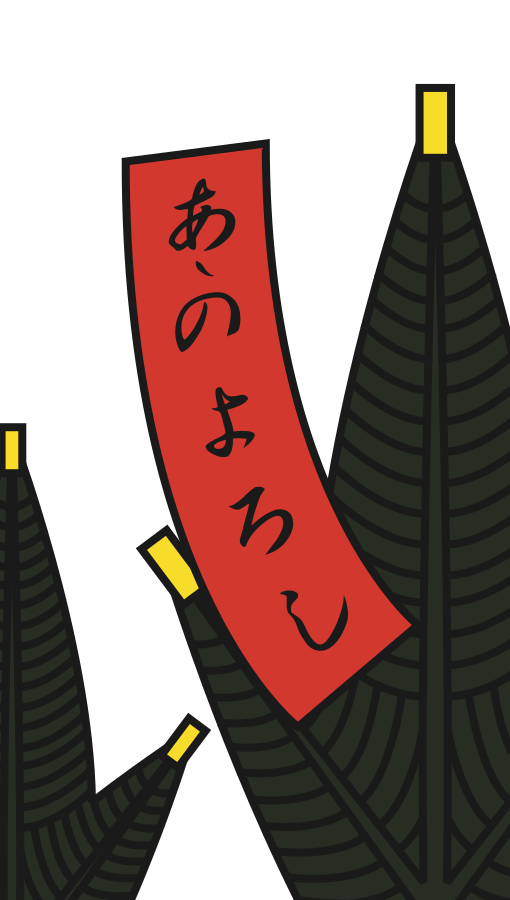
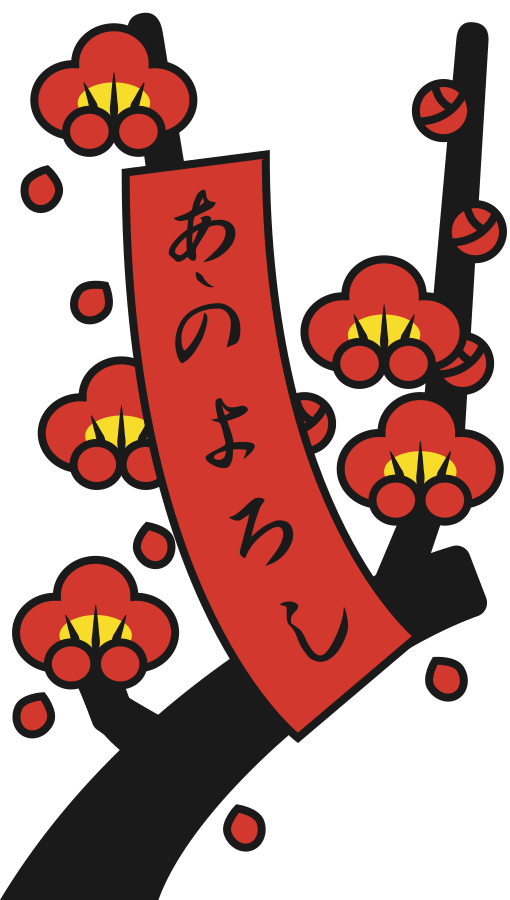
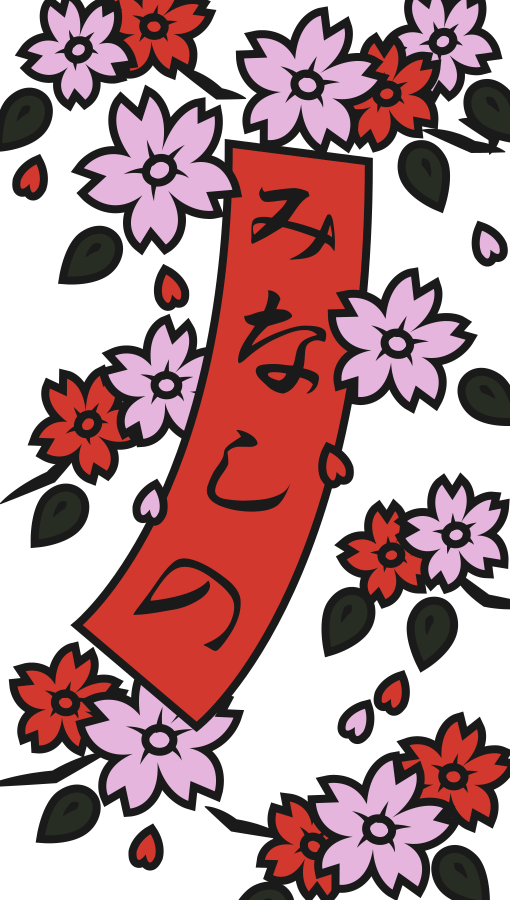
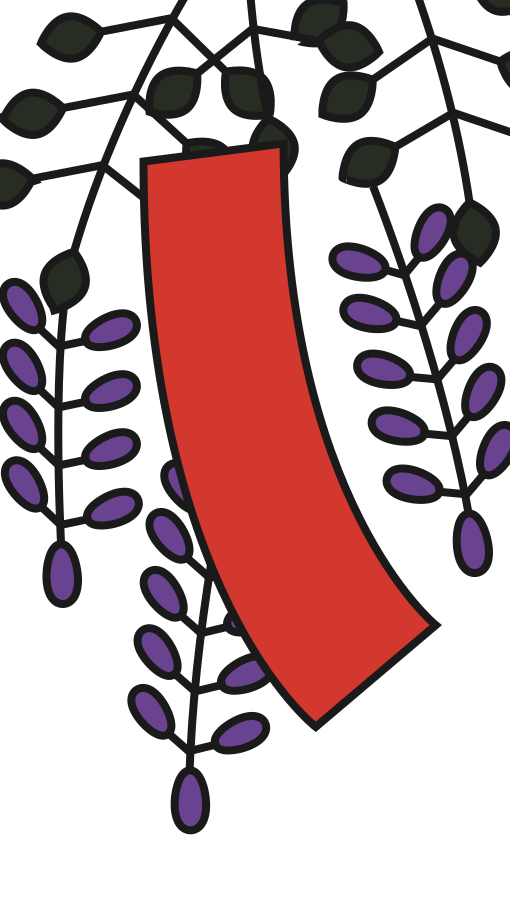
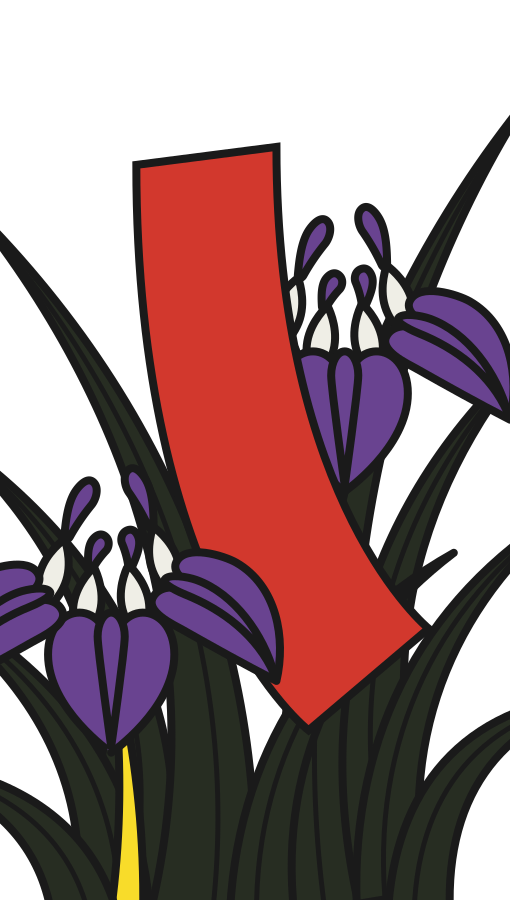
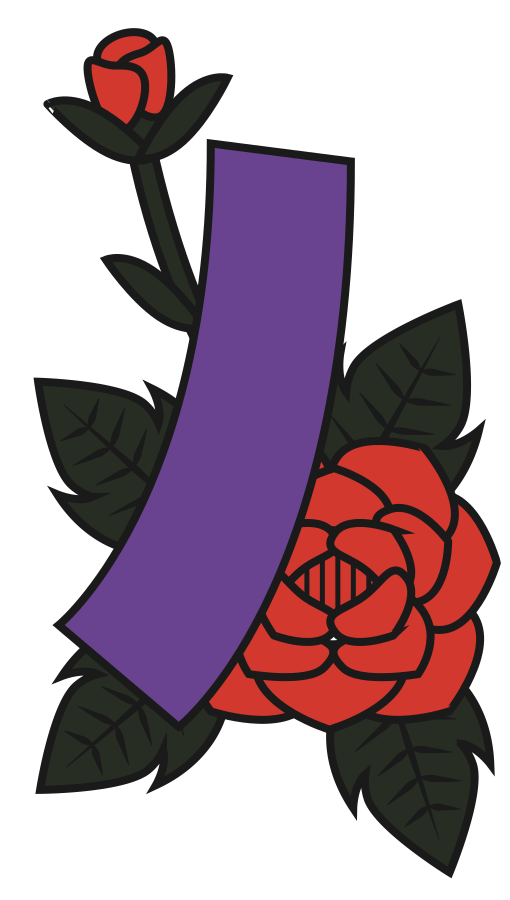
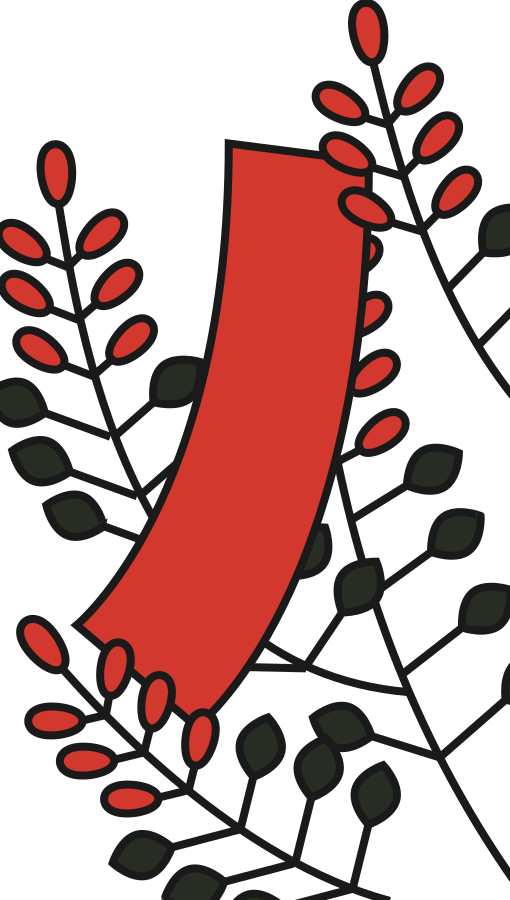
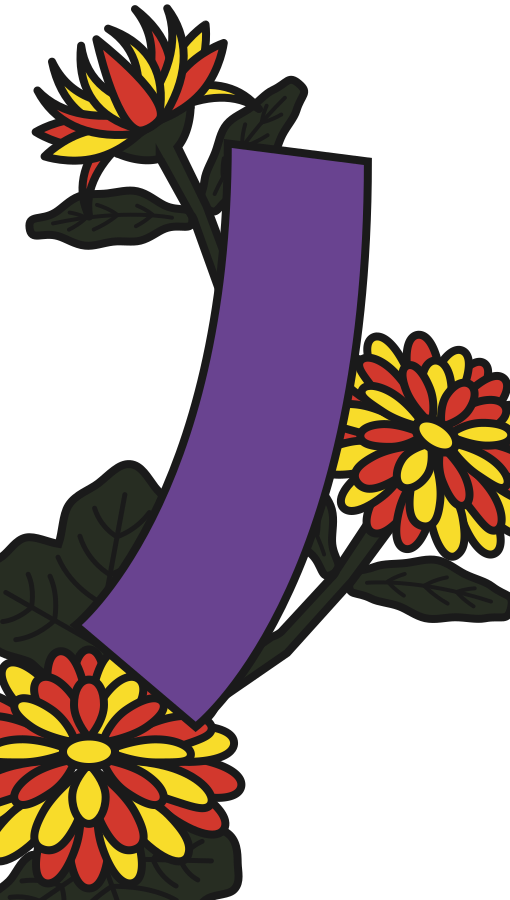
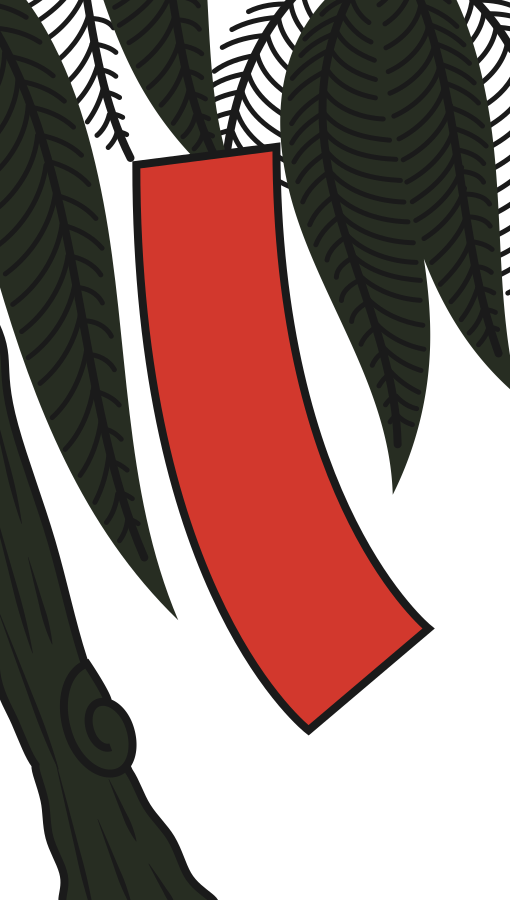
¶ Ribbons[10]
These cards are usually the third most important cards in games. In Hachi-Hachi, they are each worth 5 points.
Also known as Slips,[11] Scrolls,[12] Poetry Slips,[13] Poetry Ribbons,[14] or 5-point cards[15]
Japanese: 短冊札 [tanzaku-fuda, ‘tanzaku cards’], 5点札 [goten-fuda, ‘5-point cards’]
Korean: 띠 [tti, ‘band, strip’]
          |
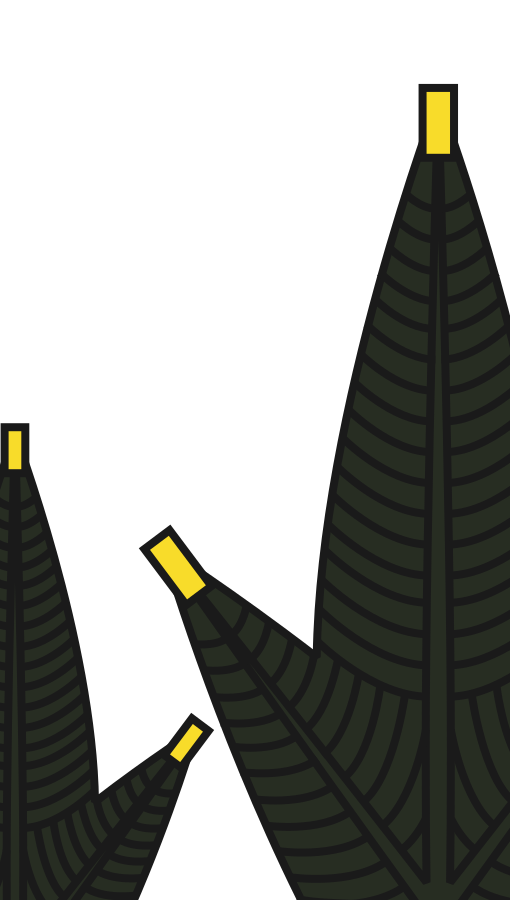
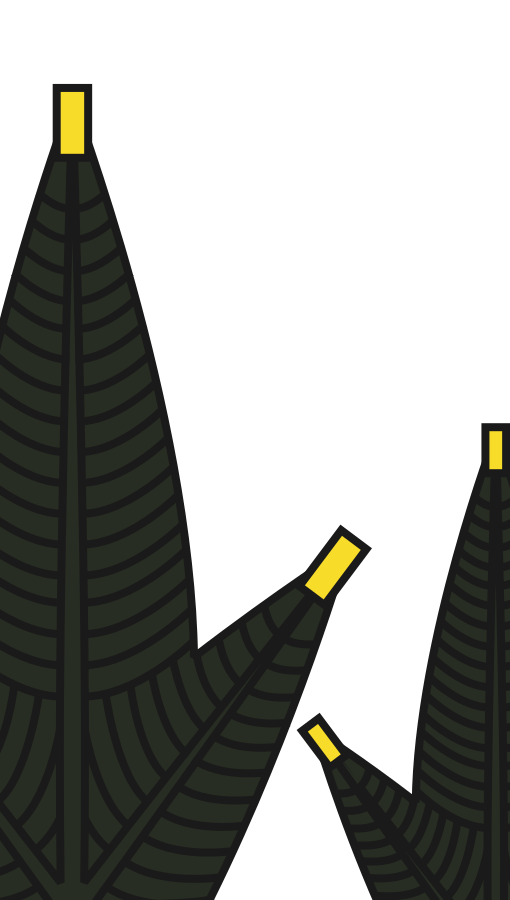
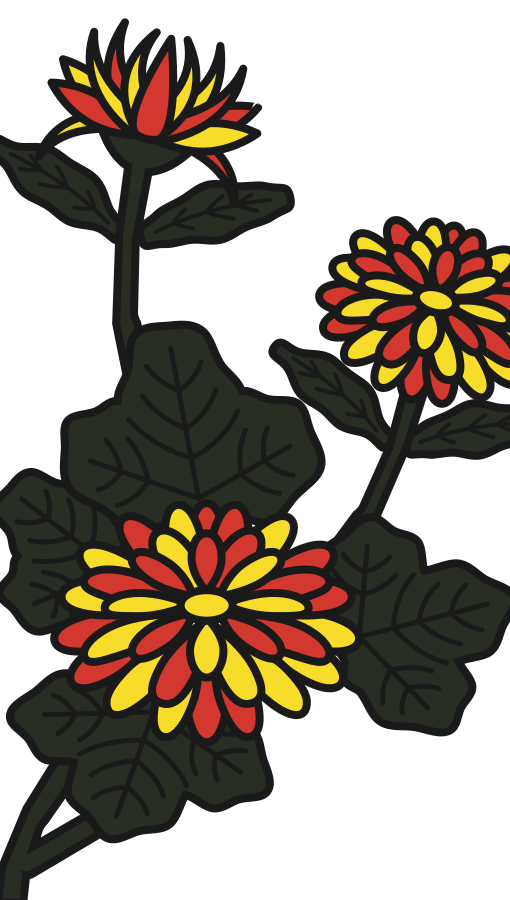
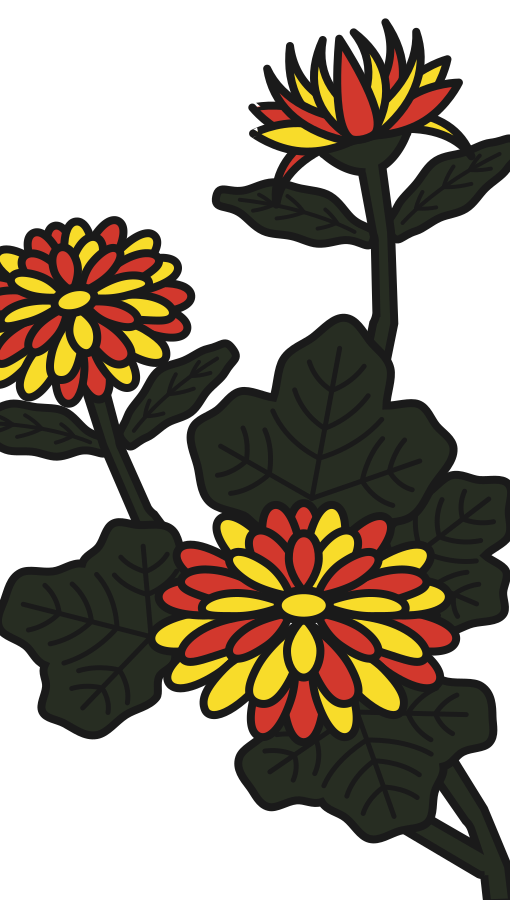
¶ Chaff[16]
These cards are the least valuable cards in most games. In Hachi-Hachi, they are worth 1 point each.
Also known as Dregs,[17] Plain cards,[18] Junk cards,[19] Basic cards,[20] or 1-point cards[21]
Japanese: カス札 [kasu-fuda, ‘dreg/junk card’], 素札 [sufuda, ‘plain/unadorned card’], 1点札 [itten-fuda, ‘1-point card’], 0点札 [reiten-fuda, ‘0-point card’]
Korean: 피 [pi]
  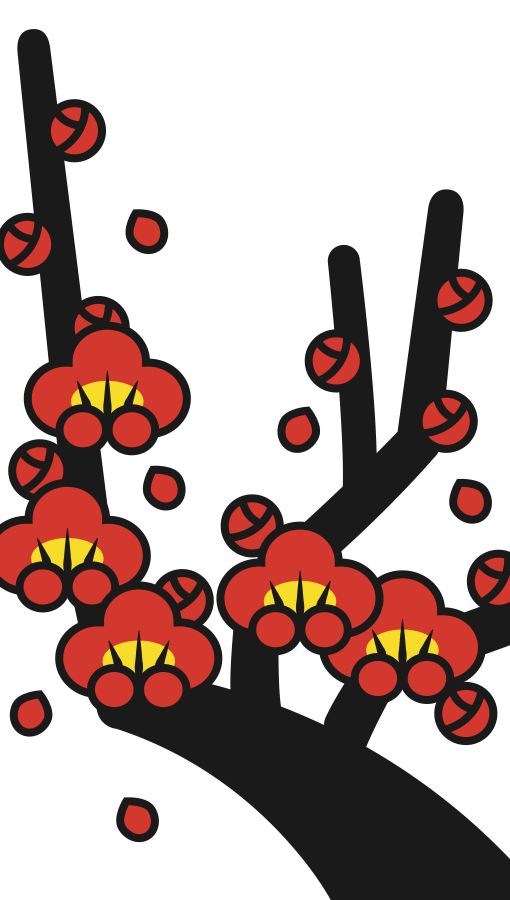 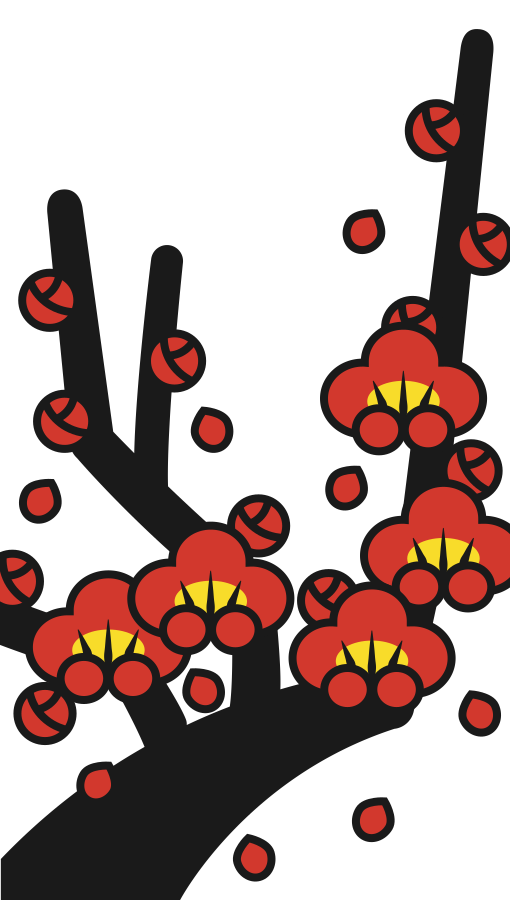 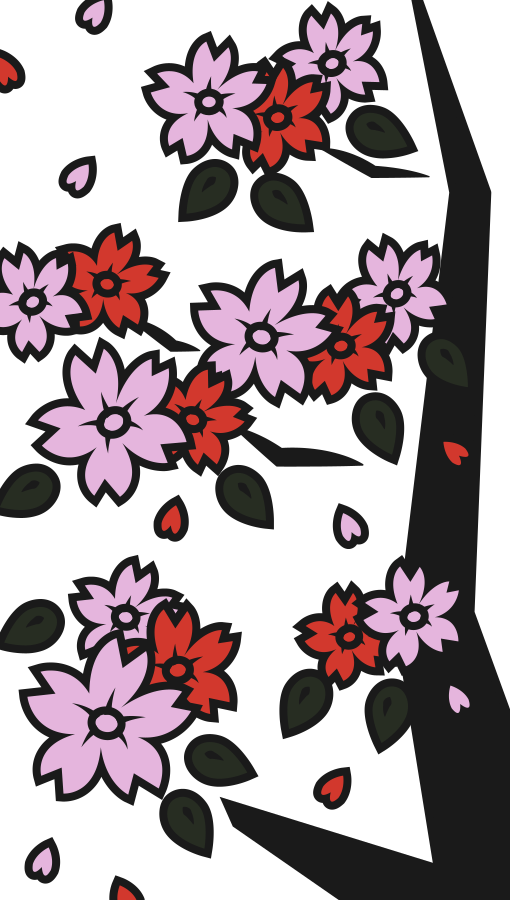 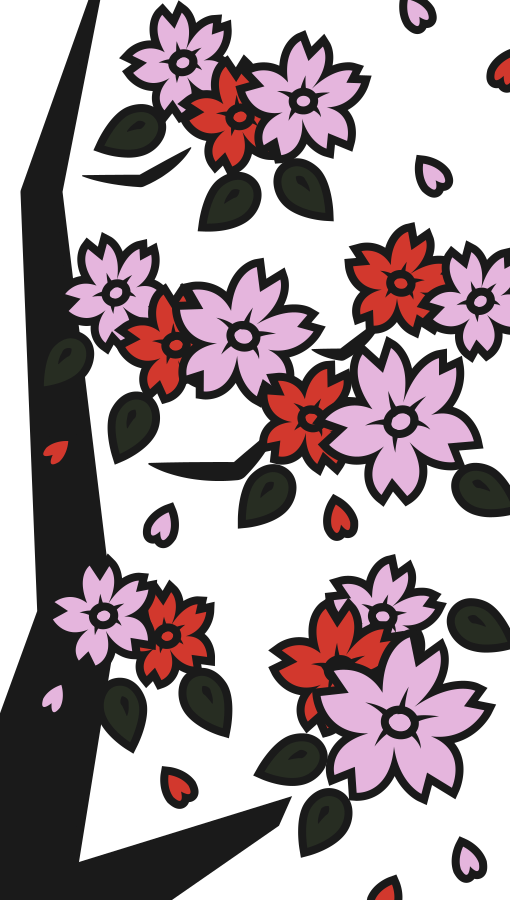                   |
¶ Other categorizations
While the above is considered the standard grouping of card ranks and is applicable to many of the most popular games like Hachi-Hachi and Koi-Koi, some games group the cards in a different manner.
- In Hon-Bana, there is a 5-tiered distinction of cards worth 30, 20, 10, 5, or 0 points, which splits the Brights and Animals differently.
- In Roppyakken, the
 Bush Warbler is treated as a Bright rather than an Animal, and the
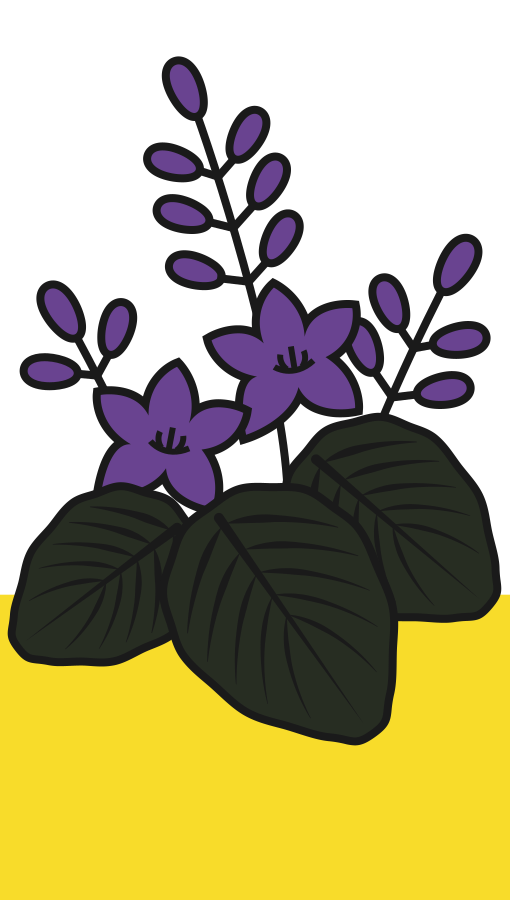
  Yellow Paulownia Chaff is worth the same as an Animal or Ribbon.
 - In Sakura, the values of Animal and Ribbon cards are reversed; in addition, the
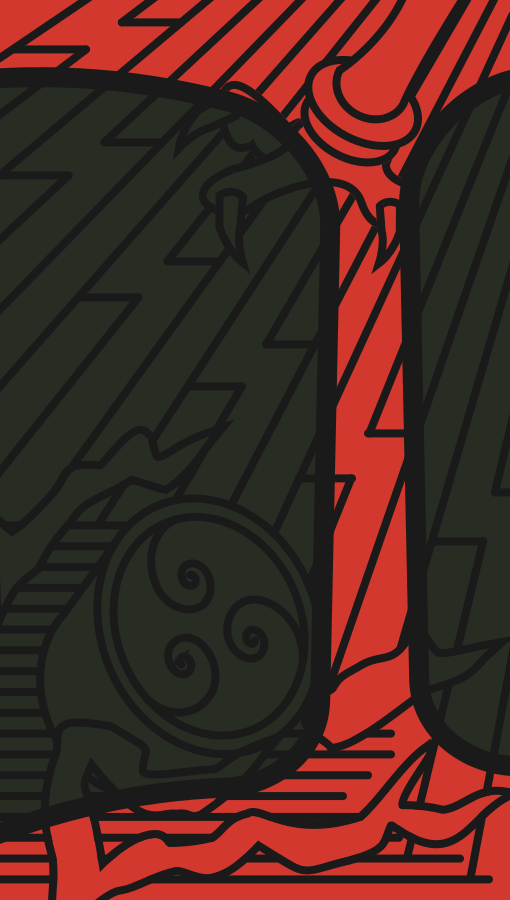
 Rain Man counts as an Animal rather than a Bright, and the Yellow Paulownia Chaff is treated as a Ribbon.
¶ Footnotes
The English term ‘bright’ is used in the video game Hanafuda Koi-Koi Dojo, and in the book Hanafuda Games: Sensu Edition ↩︎
The English term ‘light’ or ‘light card’ is used in the video games Clubhouse Games: 51 Worldwide Classics (Switch), hololive Holo’s Hanafuda, Koi-Koi Japan, Bishoujo Battle Hanafuda Koi-Koi, THE Table Game (Switch), Hanafuda Koi-Koi Collection, and games from the Sakura Wars series ↩︎
The English term ‘20-point card’ is used in the video game Clubhouse Games (DS), and games from the Yakuza/Like a Dragon series. ↩︎
The English term ‘animal’ or ‘animal card’ is used in the video games THE Table Game (Switch), Hanafuda Koi-Koi Collection, and Hanafuda Koi-Koi Dojo ↩︎
The English term ‘seed’ or ‘seed card’ is used in the video games Clubhouse Games: 51 Worldwide Classics (Switch), Clubhouse Games (DS), hololive Holo’s Hanafuda, Koi-Koi Japan, Bishoujo Battle Hanafuda Koi-Koi, and games from the Sakura Wars series ↩︎
The English term ‘ten’ is used in the book Hanafuda Games: Sensu Edition ↩︎
The English term ‘variety’ is used in the video games from the Yakuza/Like a Dragon series. ↩︎
The English term ‘earth card’ is used in the video game Clubhouse Games (DS) ↩︎
The English term ‘10-point card’ is used in the video game Clubhouse Games (DS), and games from the Yakuza/Like a Dragon series. ↩︎
The English term ‘ribbon’ or ‘ribbon card’ is used in the video games Koi-Koi Japan and Bishoujo Battle Hanafuda Koi-Koi, and games from the Sakura Wars series, and in the book Hanafuda Games: Sensu Edition ↩︎
The English term ‘slip’ or ‘slip card’ is used in the video games hololive Holo’s Hanafuda and THE Table Game (Switch) ↩︎
The English term ‘scroll’ is used in the video games Clubhouse Games (DS) and Hanafuda Koi-Koi Dojo ↩︎
The English term ‘poetry slip’ or ‘poetry slips card’ is used in the video games Clubhouse Games: 51 Worldwide Classics (Switch) and Hanafuda Koi-Koi Collection ↩︎
The English term ‘poetry ribbon card’ is used in the video games from the Yakuza/Like a Dragon series. ↩︎
The English term ‘5-point card’ is used in the video game Clubhouse Games (DS) ↩︎
The English term ‘chaff’ or ‘chaff card’ is used in the video games Clubhouse Games: 51 Worldwide Classics (Switch), hololive Holo’s Hanafuda, and Hanafuda Koi-Koi Collection, and in the book Hanafuda Games: Sensu Edition ↩︎
The English term ‘dreg’ is used in the video game THE Table Game (Switch) ↩︎
The English term ‘plain card’ is used in the video games Koi-Koi Japan, Bishoujo Battle Hanafuda Koi-Koi, and Hanafuda Koi-Koi Dojo ↩︎
The English term ‘junk’ or ‘junk card’ is used in the video games from the Yakuza/Like a Dragon series and Sakura Wars series ↩︎
The English term ‘basic card’ is used in the video game Clubhouse Games (DS) ↩︎
The English term ‘1-point card’ is used in the video game Clubhouse Games (DS) ↩︎